ultimate-guide · November 13, 2026
Are Military-Grade Dog Collars Worth the Money?
5 min read · Editorial Team
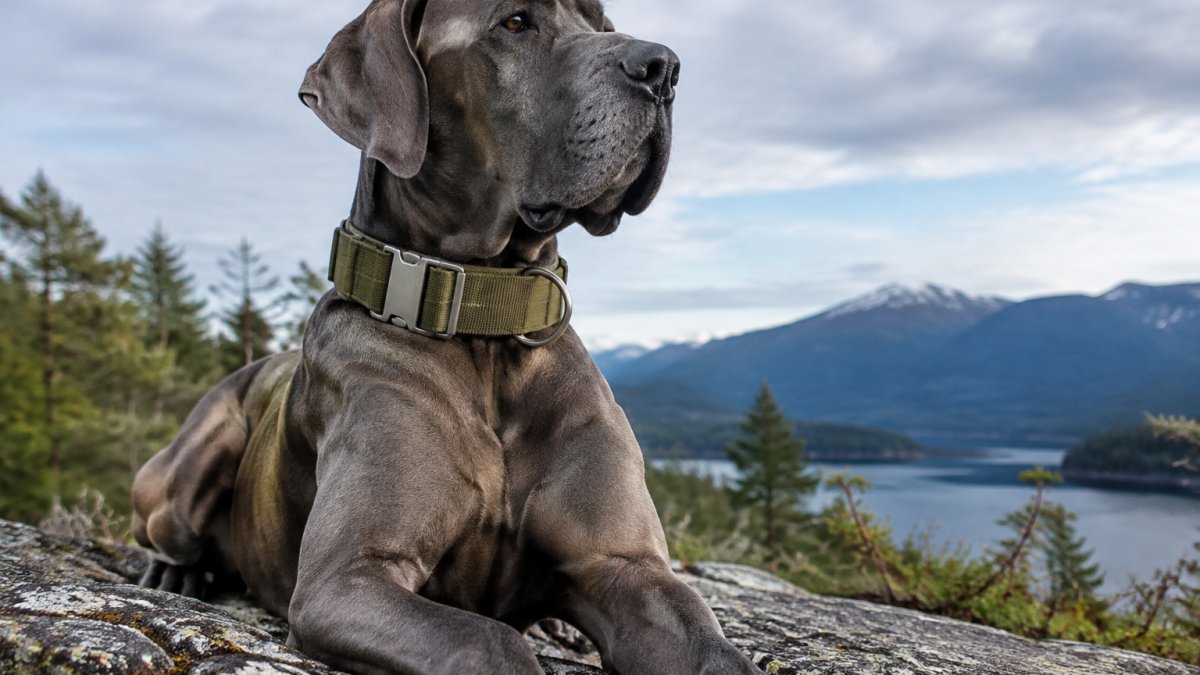
Quick Summary
Military grade dog gear is worth the money for large, strong dogs because it uses heavy-duty webbing and solid stainless steel hardware built to handle sustained pulling. The label describes construction intent rather than a formal certification, so compare materials closely. Standard collars can split or unbuckle when a 150 lb dog lunges.
- Military grade describes construction intent, not a formal certification.
- Standard pet-store collars can split or unbuckle when a 150 lb dog lunges.
- Look for thick woven nylon, solid metal buckles, and full-width stitching.
- Harnesses spread force across the chest and shoulders, suiting strong pullers.
- A well-built collar remains the simpler choice for calm walks and ID tags.
Table of Contents
- What Military Grade Dog Gear Actually Means
- Heavy-Duty Dog Collar Materials and Why They Matter for Giant Breeds
- Tactical Dog Harness vs. Collar: Which Holds Up Better Under Load
- Frequently Asked Questions
What Military Grade Dog Gear Actually Means
Last Updated: November 12, 2026
Military grade dog gear is a term that gets thrown around loosely, so it helps to be precise. It refers to heavy-duty webbing and solid stainless steel hardware built to handle the sustained pull of a dog over 100 pounds. The label describes construction intent rather than a formal certification, and that distinction matters when you compare products.
Here is the short version: military grade dog collars are designed around load, not appearance. Wide nylon webbing, reinforced stitching, and hardware like Chicago style tacks are chosen because they resist the failure points giant breeds expose, such as buckles pulling apart under a lunge.
Heavy-Duty Dog Collar Materials and Why They Matter for Giant Breeds
Material choice decides whether a collar holds. Large dogs like Great Danes and Mastiffs generate force that standard pet-store webbing was never meant to absorb. Look for thick, tightly woven nylon, solid metal buckles, and stitching that runs through the full width of the strap.
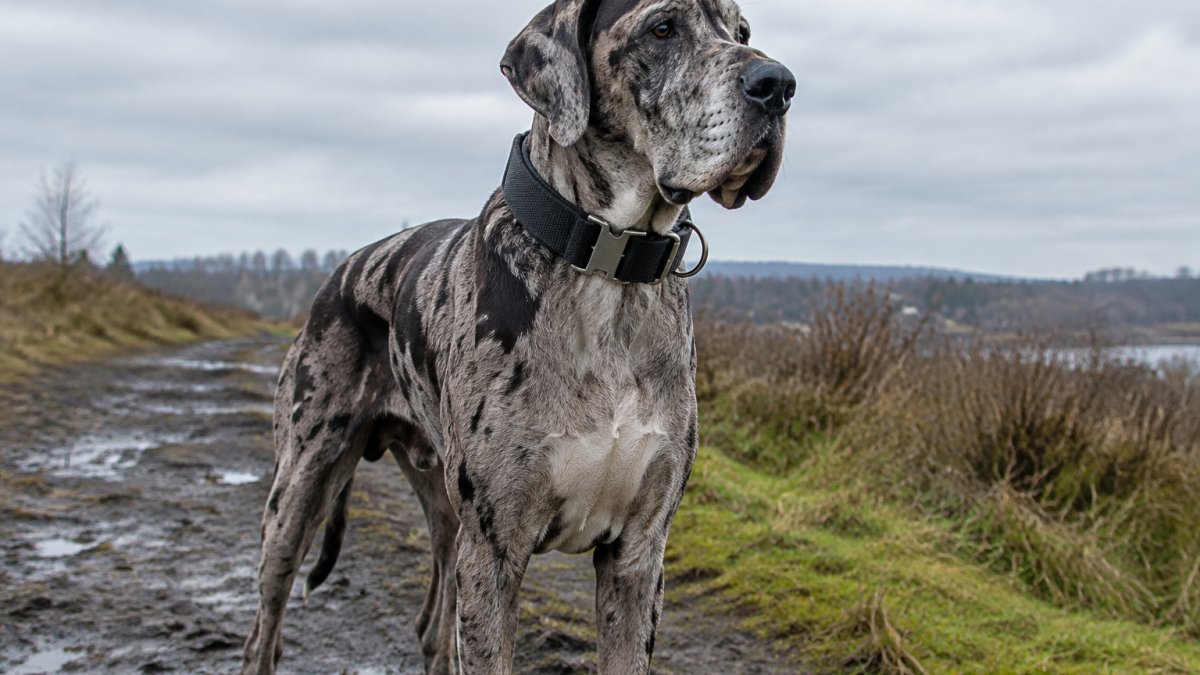
Watch out: a collar rated for a small dog can split or unbuckle when a 150 lb dog lunges, and the failure is usually sudden rather than gradual.
The article points to a few specific material and load details worth checking before you buy.
| Factor | Article detail | Note |
|---|---|---|
| Dog weight at risk | 150 lb dog lunging | Small-dog collars can fail |
| Breeds mentioned | Great Danes and Mastiffs | Large dogs generate high force |
| Failure mode | Buckle pulls apart or strap splits | Usually sudden, not gradual |
| Key build features | Thick woven nylon, solid metal buckles | Stitching runs full strap width |
Tactical Dog Harness vs. Collar: Which Holds Up Better Under Load
A collar concentrates force on the neck, while a harness distributes it across the chest and shoulders. For a strong puller, a harness often feels more controlled. For daily walks and ID tags, a well-built collar remains the simpler choice. The right answer depends on how your dog moves and what you ask the gear to do.
Best for: owners of heavy pullers who want chest-level control. Skip if: your dog walks calmly and you mainly need an ID carrier.
Military grade gear is worth the money when a failed collar would put your dog at risk.
Frequently Asked Questions
Are military-grade dog collars safer for large dogs?
For dogs over 100 pounds, the main safety gain comes from load-rated webbing and solid stainless steel hardware, which resist stretching, fraying and buckle failure during a sudden lunge. Stitching density and the quality of the quick-release mechanism matter just as much as the label. Check that the collar fits snugly over the widest part of the neck, inspect it weekly for wear, and replace any piece showing fraying. Colossal Canine Co. builds its collars with military-grade webbing and solid stainless steel hardware, and lists a lifetime guarantee on its handmade products. Current prices and sizing options depend on your dog's measurements, so check the website or request a quote before ordering.
What materials are used in heavy-duty dog collars?
Heavy-duty dog collars are usually made from woven nylon or polyester webbing, sometimes reinforced with a stitched core, paired with stainless steel hardware such as D-rings and buckles. Nylon offers good abrasion resistance and flexibility in wet conditions, while stainless steel resists rust and bending better than plated alloys. Look for reinforced stitching at stress points and hardware rated for the dog's weight. Colossal Canine Co. uses military-grade webbing and solid stainless steel hardware, with Chicago-style tacks for load-bearing strength.
Is a harness or collar better for a strong dog?
A collar is convenient for everyday walks and ID tags, but it concentrates pulling force on the neck, which can strain a powerful dog's trachea. A well-fitted tactical dog harness distributes force across the chest and shoulders and gives you more control when a large dog lunges. Many owners of giant breeds use both: a heavy-duty collar for identification and a harness for walking. Choose a harness with a front attachment point and reinforced stitching, and confirm the fit with your dog's chest measurement before ordering.
