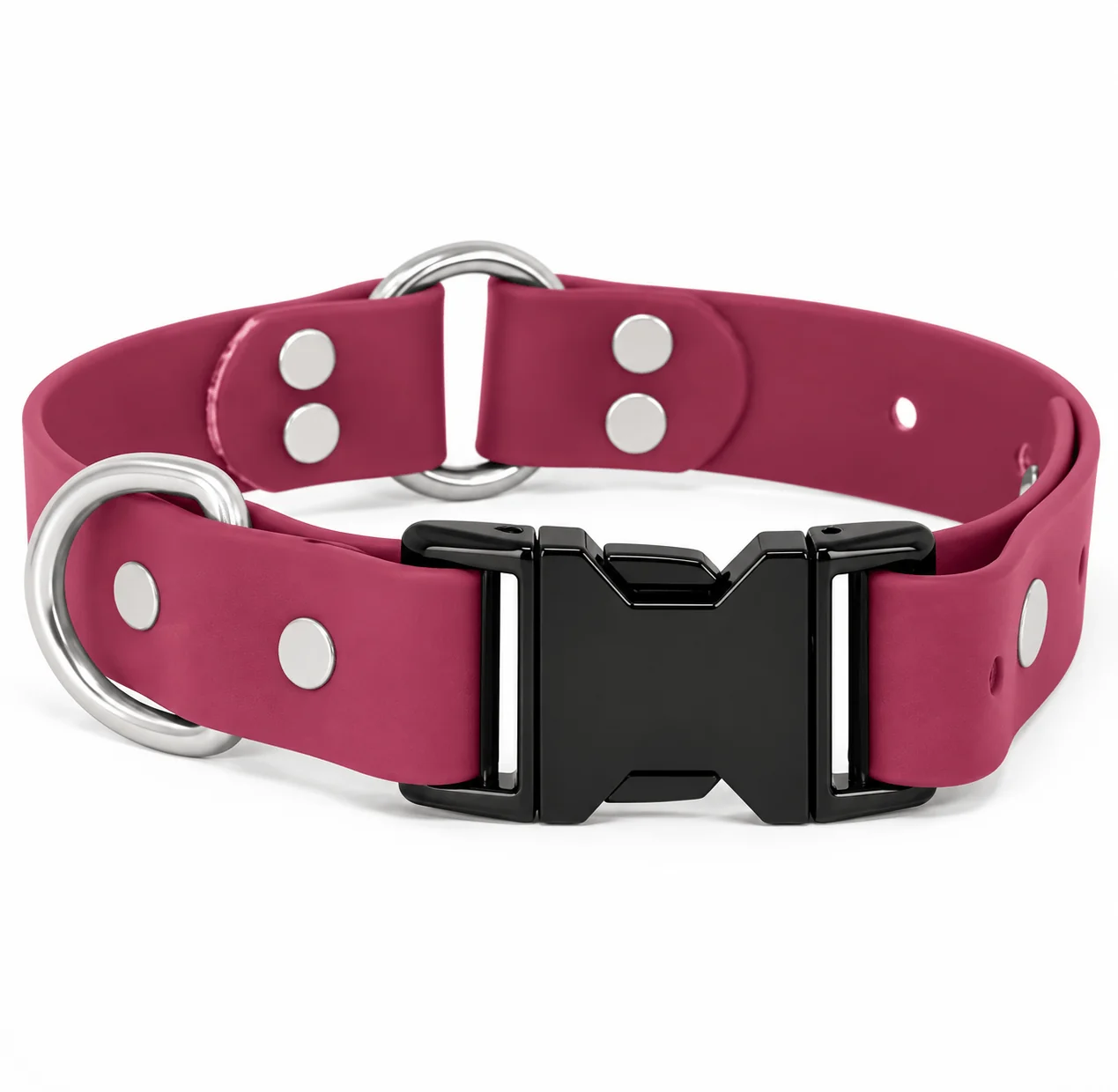
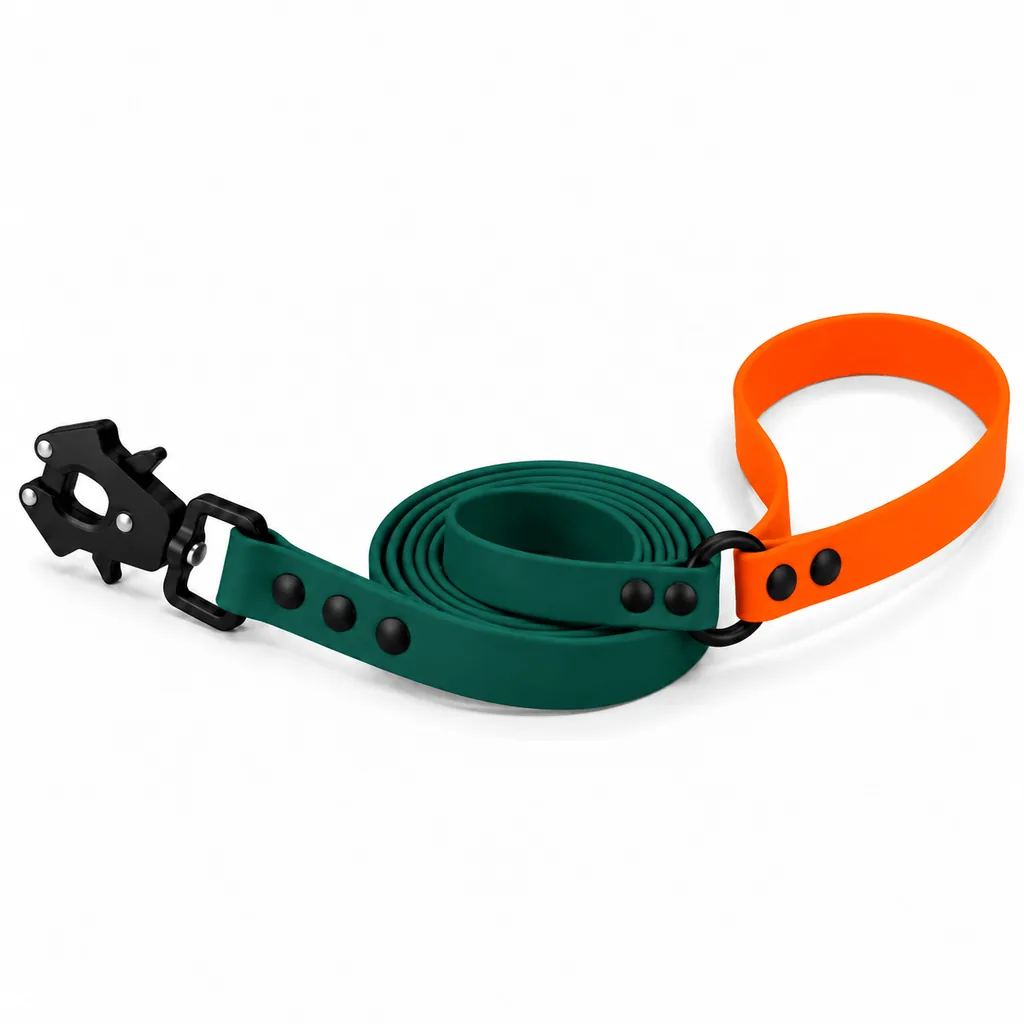
Heavy-Duty Collars and Leashes for Leonbergers
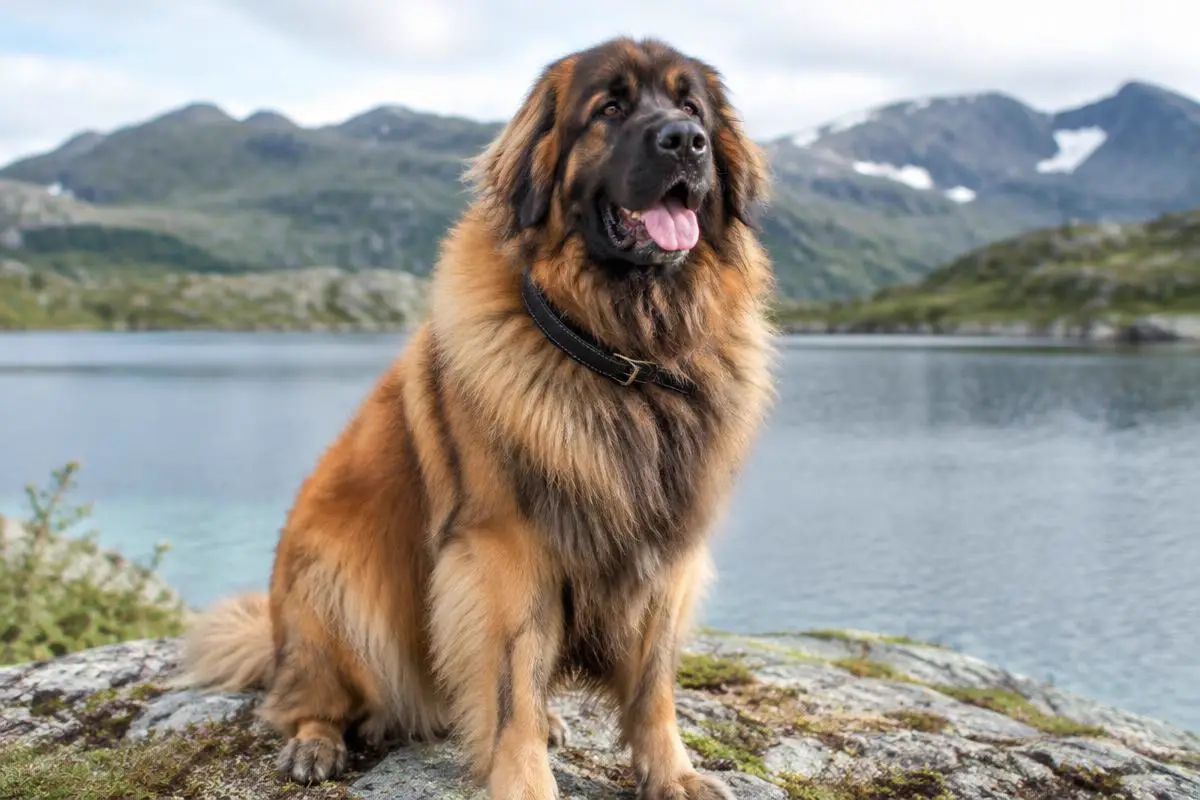
The Leonberger was created in the 1840s by Heinrich Essig, mayor of the town of Leonberg in Germany, who wanted a dog that resembled the lion on the town's crest. By crossing Newfoundlands, Saint Bernards and Great Pyrenees, he produced a massive, lion-maned dog that soon became a favorite of European royalty, including Empress Elisabeth of Austria and Napoleon III.
Modern Leonbergers are gentle, playful, family-focused giants that love water, children and the outdoors. They are also very strong, very furry and very wet much of the time, all of which put real demands on a collar and leash.
- Weight
- 90–170 lb
- Height
- 25.5–31.5 in
- Typical neck
- 22–28 in
- Lifespan
- 7–9 years
- Origin
- Germany
- Group
- Working
Why Leonbergers need sturdy dog collars and leashes
Leonbergers weigh up to 170 pounds and carry the pulling heritage of their Newfoundland and Saint Bernard ancestors. An excited Leo heading for a lake or a friend can pull with tremendous force, and ordinary collars and clips are not designed to handle it repeatedly.
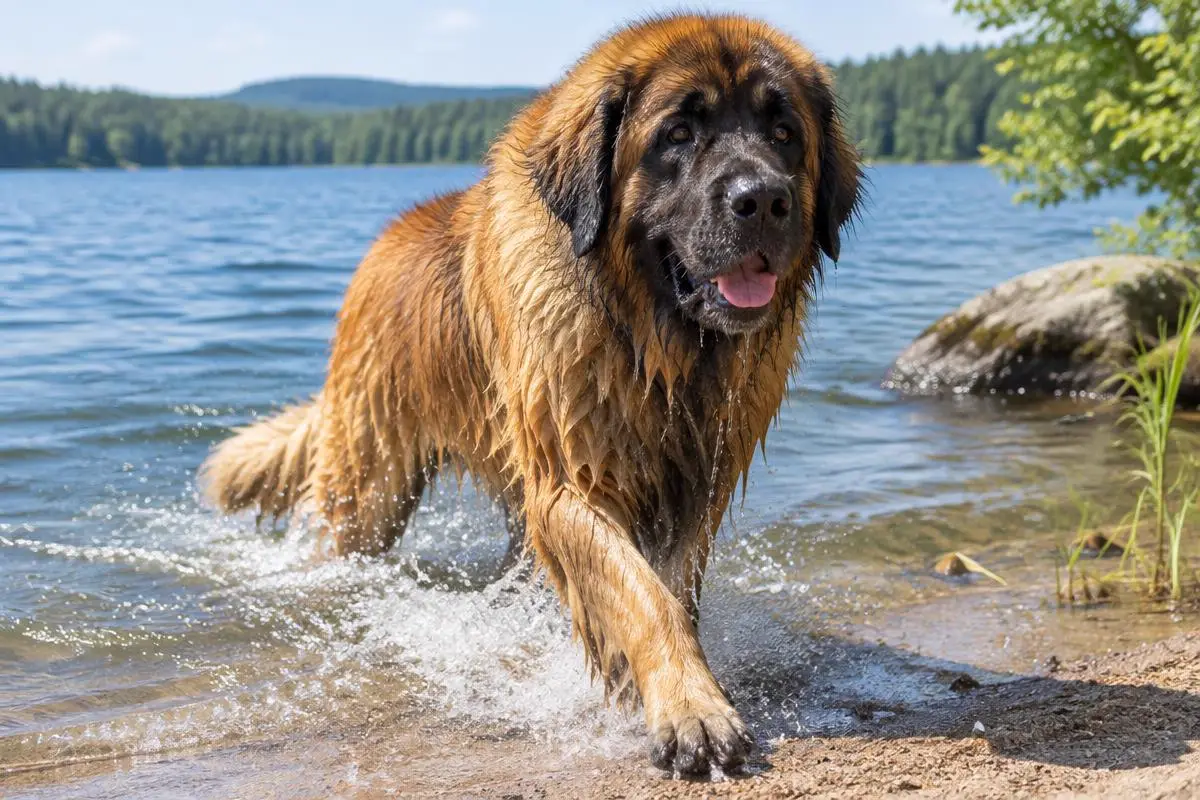
Leonbergers love to swim, and wet conditions destroy weak materials. Leather stretches and cracks, cheap hardware rusts, and thin nylon frays. Military grade webbing dries quickly and holds its shape, while stainless steel hardware resists corrosion even after countless swims.
The breed's thick mane around the neck can swallow a narrow collar. A wide, smooth collar stays visible, reduces matting and distributes pressure evenly across the neck.
Leonberger collar sizing
Most adult Leonbergers wear a 22 to 28 inch collar. Their mane is dense, so part the fur and measure against the skin, adding two fingers. Re-check fit after a swim, since wet fur lies flatter and a collar can feel looser.
To measure for a dog collar for Leonberger, wrap a soft tape measure around the middle of the neck where the collar naturally sits, then slide two fingers under the tape. That number is your neck size. Giant breeds carry thick fur, loose skin and heavy muscle around the throat, so always measure rather than guessing from weight. If your dog falls between two sizes, choose the larger one; every Colossal collar adjusts down so you can dial in a snug, comfortable fit. Re-measure puppies every two to three weeks, because a giant puppy can add an inch of neck in less than a month.
6 ft or 10 ft leash for your Leonberger?
Choosing between a 6 ft and a 10 ft leash comes down to where you walk. A 6 ft leash keeps a giant dog close at your side on sidewalks, in parking lots, at the vet and anywhere traffic or other dogs are nearby, which is where control matters most. A 10 ft leash gives your dog room to sniff, explore and practice recall in parks, on trails and in open fields while still keeping a secure connection. Many giant breed owners keep both by the door. Whichever length you choose, hold the handle with your hand through the loop and a second hand lower on the leash, so a sudden lunge pulls against your body instead of your wrist.
Leonberger health
Leonbergers are prone to hip and elbow dysplasia, bloat, certain cancers and two breed-specific neurological conditions: Leonberger polyneuropathy and leukoencephalomyelopathy. DNA tests exist for some forms, so ask breeders for results.
Like other giants, Leo puppies should grow slowly, with no forced running or excessive jumping until their growth plates close.
Training your Leonberger
Leonbergers are intelligent and eager to please, though they can be sensitive. Positive, consistent training and early socialization produce calm, confident adults. Leash manners are a priority given their size and strength.
Exercise needs
Leos need an hour or more of daily activity. They excel at swimming, hiking, cart pulling and water rescue work. Mental stimulation is just as important as physical exercise.
Grooming and care
The double coat sheds heavily, especially during seasonal coat blows. Brush several times a week, check under the collar for mats, and dry the coat thoroughly after swimming. Wash the collar regularly.
Fun facts about the Leonberger
- The Leonberger was bred to resemble the lion on the coat of arms of Leonberg, Germany.
- The breed nearly disappeared during both World Wars; only a few dogs survived.
- Leonbergers have webbed feet, making them powerful swimmers.
- Empress Elisabeth of Austria owned several Leonbergers.
Caring for your Leonberger's collar and leash
Good gear lasts longer with a little care. Check your dog's collar and leash every few weeks for frayed edges, loose stitching or worn hardware, and look at the skin under the collar for redness or rubbing. Hand wash webbing in warm, soapy water, rinse well and let it air dry; avoid harsh bleach that can weaken fibers. Take the collar off during unsupervised crate time and rough play with other dogs to prevent snags. A properly fitted collar should be snug enough that it cannot slip over the head but loose enough to fit two fingers underneath.
Built for giants like yours
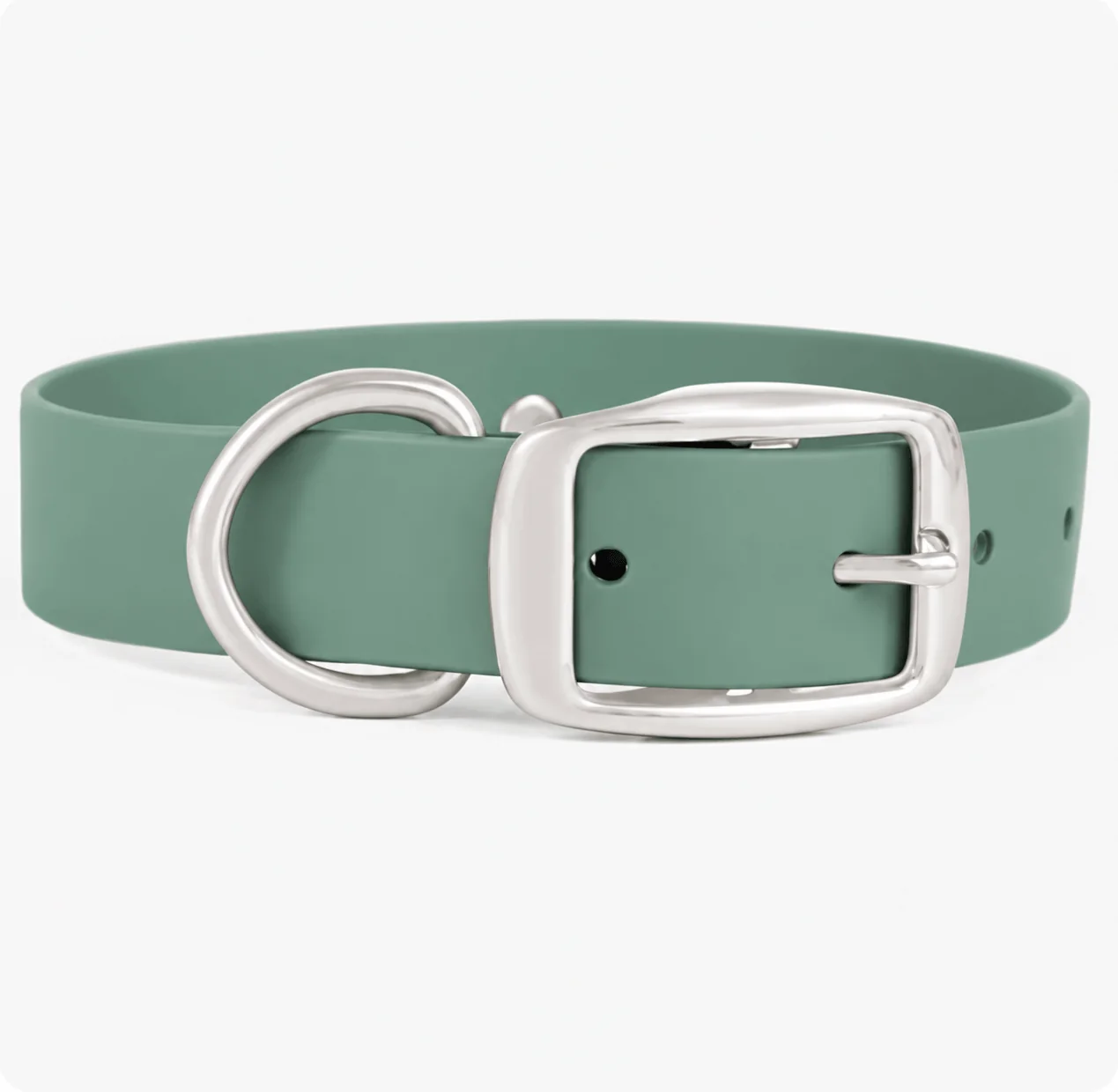
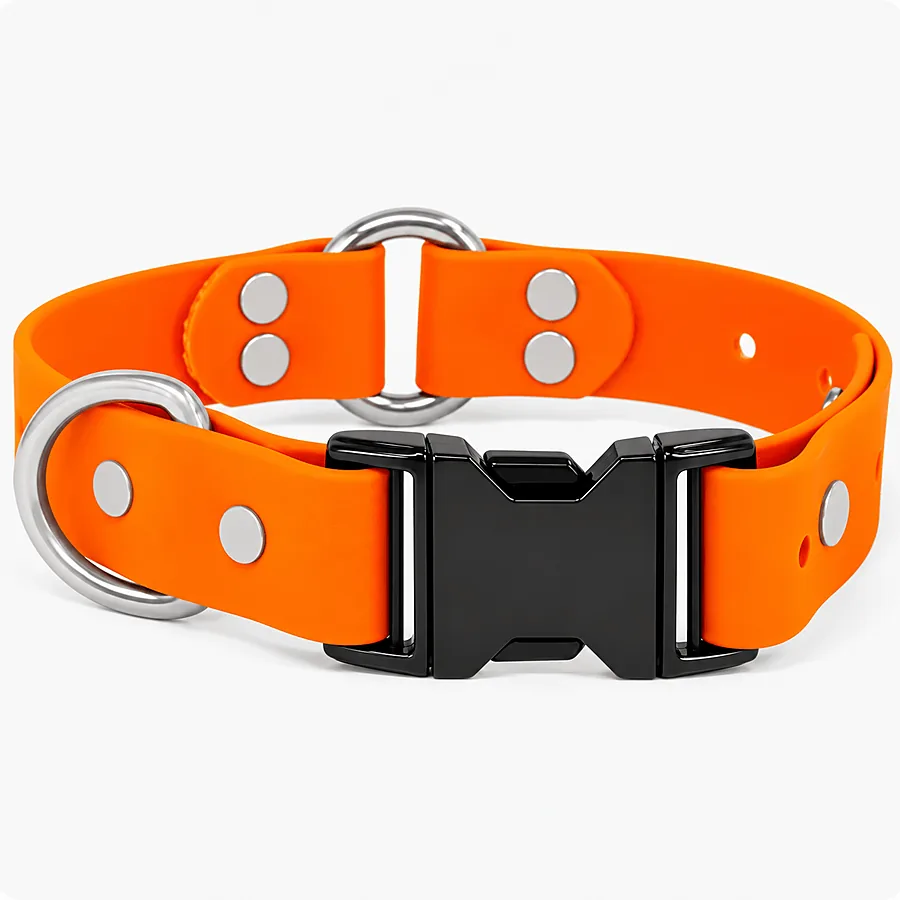
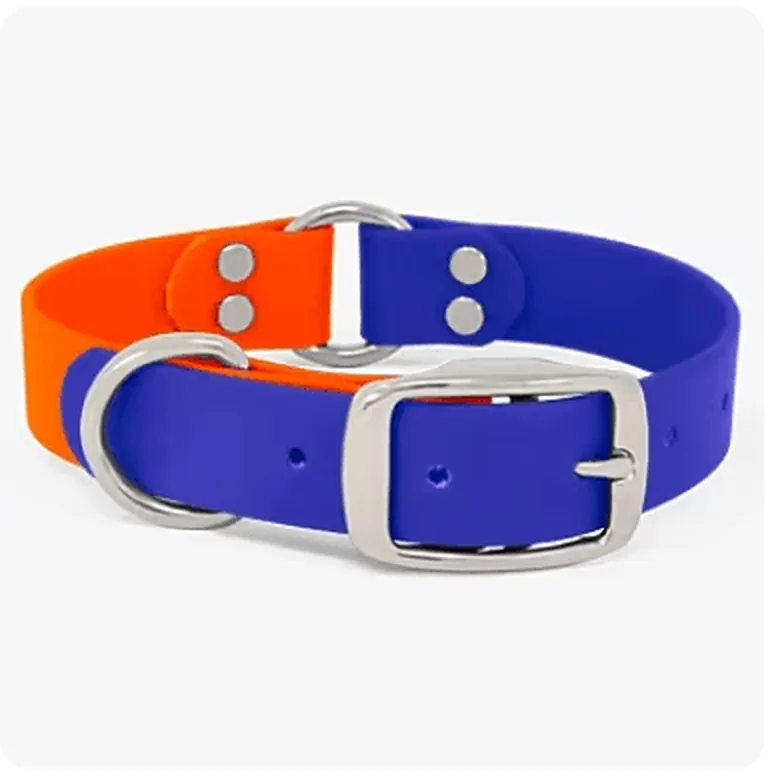
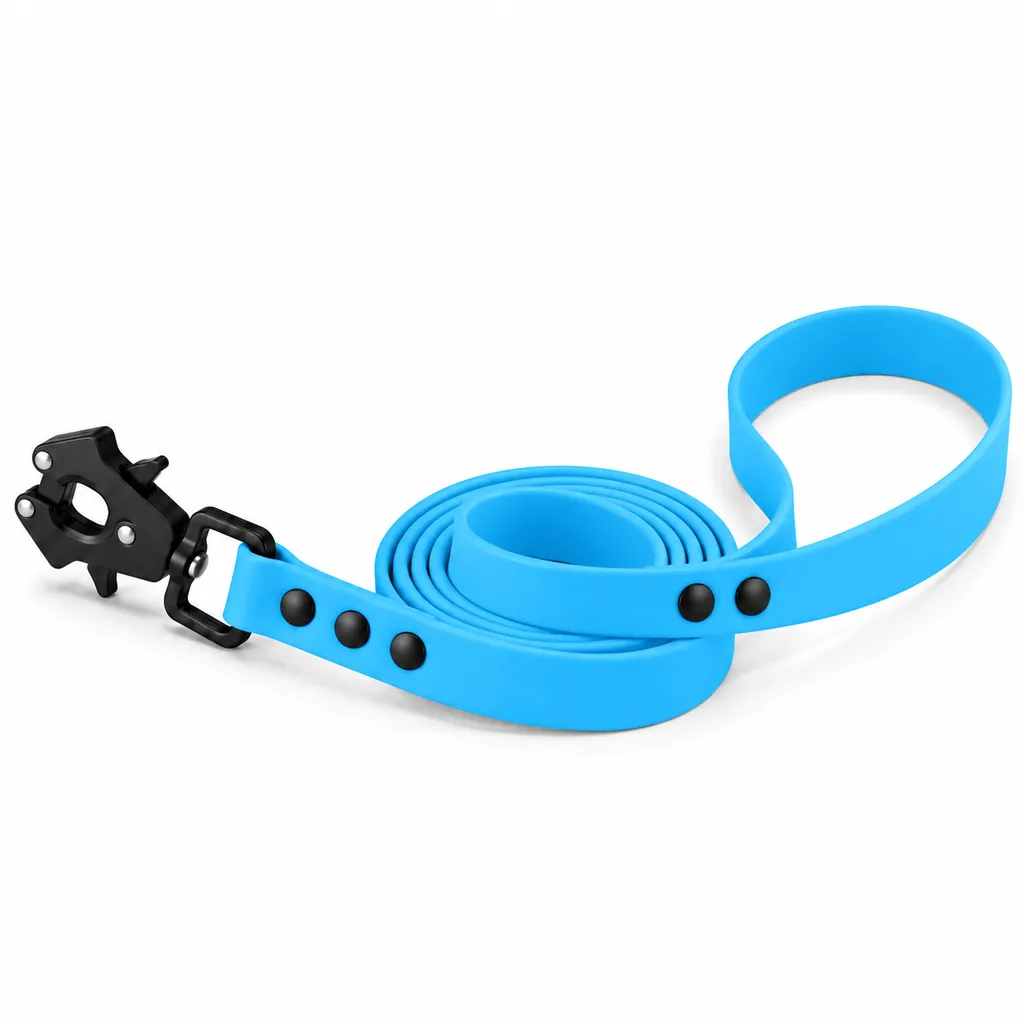
Every Colossal Canine Co. collar and leash is handmade to order in the USA from military grade webbing, heavy-gauge stainless steel or black hardware and Chicago style tacks placed where the load lands. Our leashes are rated for a 1,000 lb break strength, and everything we build is backed by a lifetime guarantee. Shipping is free on orders over $75 and a flat $7.95 below that, across the continental 48 states.
Leonberger gear FAQ
What collar size fits a Leonberger?
Most adults wear 22 to 28 inches. Measure under the mane and add two fingers of room.
Is webbing better than leather for a Leonberger?
Yes. Leonbergers swim often, and webbing dries quickly and will not stretch or crack like leather.
Do Leonbergers pull on the leash?
Many do when excited. Their size and heritage make heavy-duty gear and early training important.