Breed Guides · November 11, 2026
Dogue de Bordeaux Size and Gear: What Owners Need Before 100 lb
6 min read · Colossal Canine Co.
A practical guide to French Mastiff growth, collar fit, and dependable walking gear.
Your Dogue de Bordeaux does not need to weigh 100 pounds before you start preparing for a powerful adult dog. A growing French Mastiff already needs a correctly fitted collar, dependable leash, identification, and calm walking habits. Buying thoughtfully now helps you avoid loose equipment, uncomfortable fits, and rushed replacements later.
This guide explains Dogue de Bordeaux size, how to measure a changing neck, and what to inspect when choosing giant breed dog gear. The goal is not the biggest collar available. It is equipment that fits your dog today, with a sensible plan for tomorrow.
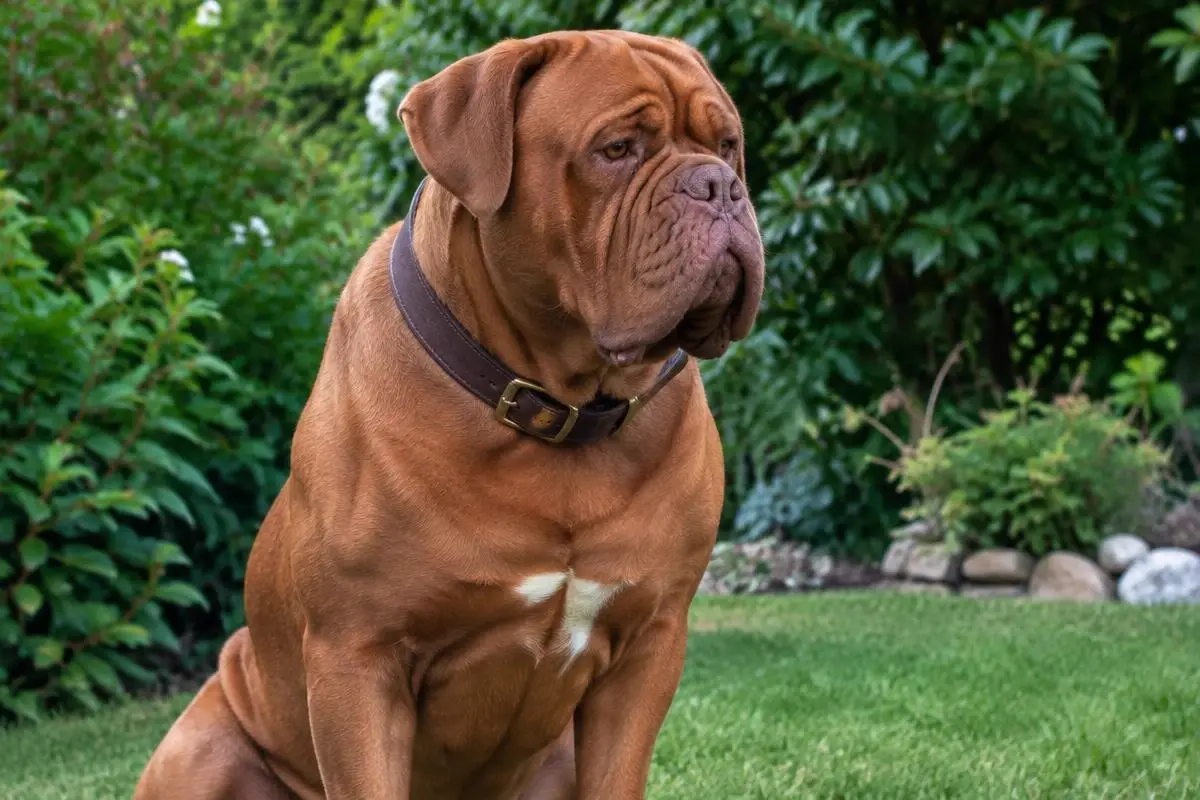
How big does a Dogue de Bordeaux get?
The American Kennel Club breed standard describes adult males standing 23½–27 inches at the shoulder and weighing at least 110 pounds. Females stand 23–26 inches and weigh at least 99 pounds. These are breed-standard figures, not feeding targets or a promise about your puppy’s eventual size. [1]
That distinction matters. Reaching 100 pounds does not automatically mean your dog is fully mature, needs a particular neck size, or should keep gaining weight. Build, sex, and individual development affect fit. Ask your veterinarian to assess body condition and growth instead of comparing your puppy with the heaviest dog online.
Our French Mastiff breed guide provides additional context about living with this muscular, affectionate breed. Use it alongside your veterinarian’s advice, not as a substitute for individual health guidance.
Measure the neck before choosing gear
Weight is useful background information, but it cannot tell you which Dogue de Bordeaux collar size to order. Two dogs of similar weight can have different neck measurements. Loose skin and the breed’s broad head also make a casual visual estimate unreliable.
- Have your dog stand comfortably, without stretching its neck upward.
- Wrap a soft measuring tape where the collar normally rests.
- Check that two fingers fit comfortably beneath the tape without creating a large gap.
- Record the measurement in inches and compare it with the product’s sizing instructions.
- Check the fitted collar again after fastening it, including whether it can slip over the head.
Do not buy an oversized adult collar simply to avoid replacing puppy gear. Excess slack can let a collar slip off or catch on objects. If your measurement falls between listed options, confirm the product’s adjustment range before ordering rather than assuming every collar fits identically.
Start with puppy fit, not adult weight
For a growing French Mastiff, the right starting point is the current neck measurement. Our French Mastiff Puppy Collar offers 12, 14, and 16 inch neck-size selections. Those options are intended for smaller necks; they are not age categories and will not fit every Dogue puppy.
Check fit frequently during growth and whenever the collar feels tighter or looser. Keep a simple note of measurements so you can spot changes before the collar becomes uncomfortable. Inspect beneath it for rubbing, dampness, or trapped debris, especially after messy walks and enthusiastic drooling.
Once your dog outgrows puppy sizing, move to an appropriate larger option. The XXL giant breed dog collar in solid colors offers neck-size selections from 18 to 32 inches. Measure first, then choose the size that matches the product guidance.
What to inspect in a heavy-duty collar
A heavy-duty dog collar should offer more than an impressive label. Look at the webbing, fastening system, attachment ring, and connection points. Check for rough edges, damaged fibers, loose components, and a buckle that does not close cleanly. Stop using gear that shows damage.
Colossal Canine Co.’s catalog describes military grade webbing and heavy-gauge hardware on its giant breed collars. The camo giant breed dog collar uses 1½ inch wide webbing and offers neck-size selections from 12 to 32 inches, giving owners another option when the measured fit is suitable.
Width alone does not make equipment safe, and a component’s breaking strength is not a complete collar’s guaranteed working limit. Avoid treating a marketing number as permission to restrain a lunging dog by force. Fit, condition, handling, and training all matter together.
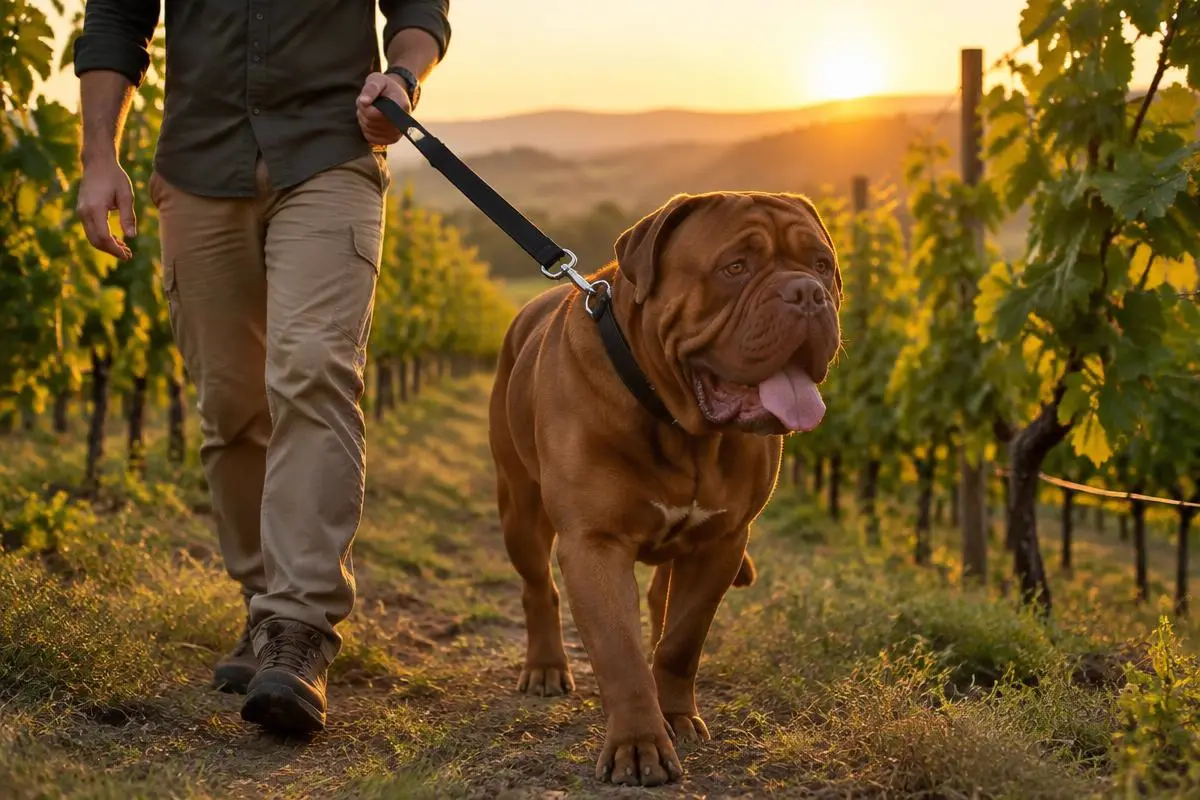
Choose a leash you can manage comfortably
Your leash needs to suit both the dog and the person holding it. Inspect the clip, connection points, webbing, and handle before each outing. Make sure the clip closes fully and attaches to the intended leash ring, not an identification-tag attachment.
Browse our Colossal dog leashes for everyday walking options. A six-foot leash can provide room for sniffing while allowing closer handling when needed, but no length removes the need for training. Avoid wrapping the leash around your hand or allowing slack to tangle around legs.
Practice in quiet surroundings before tackling busy sidewalks. Reward your puppy for walking near you and checking in. If pulling becomes difficult to manage, work with a qualified reward-based trainer rather than waiting until your dog crosses the 100-pound mark.
Build your before-100-pound checklist
- A collar fitted to today’s neck measurement.
- A dependable leash with an intact, fully closing clip.
- Readable identification and current microchip contact details.
- A measuring tape and a record of changing fit.
- Water, waste bags, and a plan for comfortable outings.
- Regular equipment inspections and consistent walking practice.
Buy the essentials first. Matching colors are enjoyable, but fit and safe handling take priority. Keep replacement planning practical: choose puppy equipment when puppy measurements require it, then reassess as your dog grows. You do not need to purchase every adult accessory immediately.
Make gear checks part of an ordinary routine, not something reserved for special trips. Before leaving home, run your fingers along the leash, check that the collar fastening is secure, and look for changes in how it rests against the neck. After returning, remove dirt and let damp equipment dry according to its care instructions. Keep a spare identification tag available if you change collars. Everyone who walks your dog should understand the same fit checks and handling expectations. A shared routine for your growing dog helps family members notice wear, changing measurements, or discomfort before a small issue interrupts the next walk.
Frequently asked questions
What collar size does a Dogue de Bordeaux need?
There is no single breed-wide size. Measure your dog’s neck where the collar sits and compare that measurement with the specific collar’s options and adjustment guidance.
Should I buy adult gear before my puppy reaches 100 pounds?
Only when it fits correctly. Body weight does not determine collar fit. Proper puppy-sized equipment is preferable to adult gear that hangs loosely or slips off.
Will a stronger leash stop pulling?
No. A dependable leash supports safe handling, but it does not teach walking manners. Begin reward-based training early and seek professional help if control becomes difficult.
Prepare for the dog you have today
Dogue de Bordeaux size makes preparation important, but the best gear decision starts with a tape measure, not a scale. Choose a comfortable collar, inspect your leash, and teach calm habits while your puppy is manageable. Recheck fit as growth continues, and upgrade when measurements—not a birthday or weight milestone—call for it. That approach puts everyday comfort and practical handling ahead of guesswork.