Collars · November 9, 2026
Cane Corso Collar Sizing and Hardware Guide
7 min read · Colossal Canine Co.
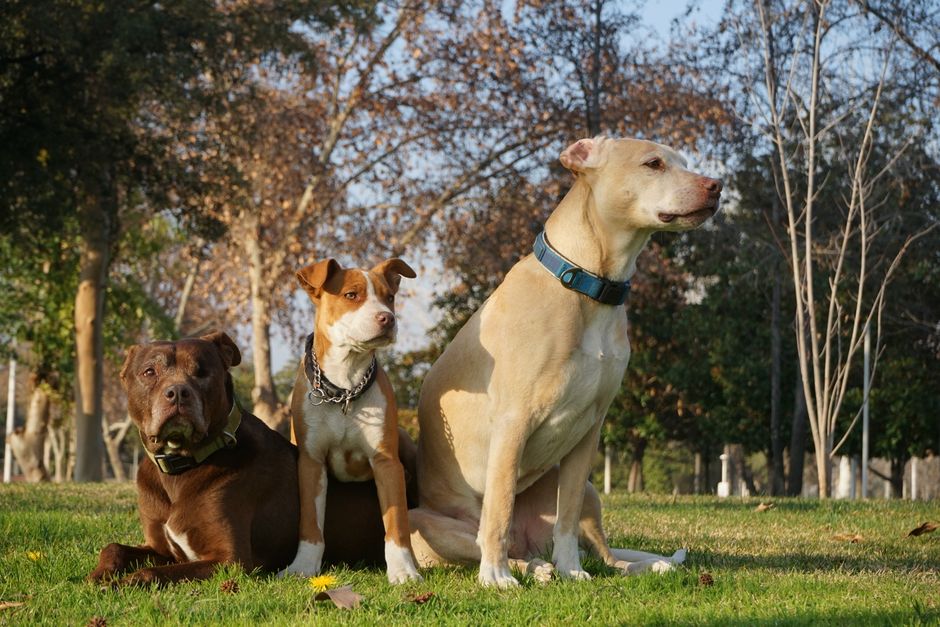
A 120-lb Cane Corso does not just need a bigger version of a normal dog collar. The neck on these dogs is thick, muscular, and carries a lot of forward drive, so the collar has to sit wide, spread pressure well, and hold hardware that will not flex or fail. Getting the tape measure and the hardware choices right matters far more for a Cane Corso collar than just picking a color.
This guide covers the practical side: how to measure a Cane Corso neck accurately, why width matters more on this breed than on most others, what to look for in buckles and D-rings, and how to test fit once the collar arrives. The sizing and hardware benchmarks come from breed-specific collar guidance, and the rest is applied fit logic you can repeat on your own dog.
Start With an Actual Neck Measurement
The most common sizing mistake is buying a collar based on the dog's weight or on the size of the previous collar. A 120-lb Corso can fall across a surprisingly wide range of neck circumferences depending on frame, sex, age, and conditioning. Weight tells you the dog is big. It does not tell you the number you need for the order form.
Use a soft sewing tape measure and wrap it around the middle of the neck, sitting where the collar will actually rest. That is usually just behind the ears and below the jawline, not down at the shoulders. Keep the tape snug against the coat without compressing the skin, and make sure it lies flat all the way around rather than twisting.
If you do not have a soft tape, use a piece of string or a thin strip of fabric, mark where it overlaps, then lay it against a rigid ruler. Measure two or three times and take the average. Cane Corsos are often wiggly and curious, so repeated measurements catch the errors that a single rushed pass will miss.
Why Cane Corso Collar Width Matters on a Heavy Neck
Breed-specific collar guidance for Cane Corsos recommends a minimum width of 2 inches, with many experienced owners preferring somewhere between 2.5 and 3 inches. The reasoning is pressure distribution. A narrow strap concentrates force into a thin band of skin and muscle, while a wide strap spreads the same load across a larger area.
That matters most when the dog pulls, lunges, or hits the end of a leash unexpectedly. On a 120-lb dog, a sudden stop behind a 1-inch strap can create a lot of localized pressure. A wider band reduces the concentration and also sits more stably, so the collar is less likely to roll or twist when the dog turns quickly.
Collar Width | How It Fits a Cane Corso |
|---|---|
Under 2 inches | Below the recommended minimum for the breed; concentrates pressure and can twist more easily |
2 inches | Meets the recommended minimum width and works for many Corsos |
2.5 to 3 inches | The range many experienced Corso owners prefer for pressure distribution and stability |
A wider collar does have tradeoffs. Very wide straps can feel bulky on a leaner or younger dog, and they may interfere with head movement if the fit is too tight. Width also interacts with the dog's neck length. A Corso with a shorter, thicker neck may look and feel better in a 2-inch collar, while a longer-necked dog can carry a 2.5-inch strap comfortably.

Materials That Hold Up to a Powerful Neck
Leather and BioThane are both common choices for wide Corso collars. Well-made leather collars for this breed are typically built wide with padding and solid brass or steel hardware, and some are produced in Europe from Spanish or Italian leather. Tactical-style collars appear too, often with reflective stitching and soft neoprene padding for walking, training, and daily wear.
The material matters less than the construction. Look for a strap that is thick enough to hold its shape under load, edges that are finished rather than raw, and stitching that runs in multiple rows where the hardware attaches. Padding is a comfort feature, not a strength feature, so a padded collar still needs a sturdy strap underneath.
- Leather: classic look, conforms to the neck over time, needs occasional conditioning
- BioThane: water-resistant and easy to wipe clean, holds color well
- Padded tactical webbing: reflective options and neoprene padding for daily walks
Whichever material you choose, check how the strap performs when wet. A collar that stretches or stiffens after rain will fit differently in week two than it did on day one.
Hardware: Buckles, D-Rings, and the Parts That Fail
Hardware is where cheap collars give out. On a 120-lb dog, the buckle and D-ring take the full force of every pull, so both need to be sized for the load rather than scaled up from a medium-dog pattern.
Buckle Options
Solid brass and steel are the two durable choices most often cited for Corso collars. Metal buckles add weight and a classic appearance, and they hold up well over years of use. Side-release plastic buckles are faster to put on but are the weakest link in the system, which is why giant-breed buyers should look for hardware rated for the load rather than assuming any buckle will do.
Safety-buckle designs exist for owners who want a quick release in an emergency. These are a convenience feature, and they are not the same as a heavy load-bearing buckle. If a quick release matters to you, inspect the mechanism and confirm the maker rates it for a large dog.
D-Rings and Leash Attachment
The D-ring should be welded, not just bent wire. An unwelded ring can spread under load, and on a strong dog that is a failure point. Check that the ring is attached through a reinforced section of strap rather than a single line of stitching, and confirm the leash clip you use fits over the ring's thickness without binding.
Leashes rated for heavy loads, including those tested around the 1000 lb mark, pair naturally with a collar built to the same standard. Mismatched gear is a quiet risk: a heavy strap with a thin, unrated clip is only as strong as the clip.
How to Test Fit When the Collar Arrives
Put the collar on and check the two-finger rule. You should be able to slide two flat fingers between the strap and the dog's neck, but not a whole hand. Too loose and the collar can slide down over the shoulders or slip off during a head shake. Too tight and it will rub, restrict the neck, and trap moisture against the skin.
Watch the dog move. Walk a few steps, turn, and stop. A properly fitted wide collar should stay roughly level around the neck rather than sliding down toward the chest. Look for the strap edges sitting flat instead of curling inward.
- Measure the neck again and compare to the collar's stated size range
- Check the two-finger gap at the tightest point of the neck
- Fasten the buckle and tug firmly on the D-ring to seat the hardware
- Walk the dog and watch for sliding, twisting, or edge curl
- Inspect the neck afterward for any red marks or rubbed patches

Sizing for Puppies and Young Corsos
Corso puppies grow fast, and a collar that fit in spring may not fit by fall. Puppy sizes within a giant-breed lineup usually cover a smaller neck range than adult collars, which is exactly why they exist: sizing a young dog into an adult 18 to 32 inch collar means a lot of excess strap and a poor fit.
Plan on replacing or resizing the collar as the dog matures, and check the fit every few weeks during growth spurts. Do not buy a collar so loose that the puppy can back out of it in the hope of getting more months of use. Recheck the two-finger gap each time you put it on.
When a Wide Collar Is Not the Walking Solution
A properly sized collar identifies the dog and gives you a solid attachment point, but it does not teach the dog not to pull. Corso owners in breed forums frequently discuss collar and lead combinations, including head halters, for dogs that pull hard. A head halter or training-focused collar serves a different purpose than a wide everyday collar, and some owners use both.
If pulling is the main problem, treat the collar as one part of the setup and look at training separately. A collar built for a 120-lb neck will hold up to a strong dog, but it will not change the dog's behavior on its own.

What to Check Before You Buy
Read the seller's stated neck size range and compare it to your measurement, not to your dog's weight. Confirm the width is at least 2 inches, and note whether the hardware is described as solid brass or steel. Check the return window and the guarantee terms, since fit issues are common on the first order.
Personalization and customization can change return eligibility, so verify the policy before adding embroidery or a custom name plate. For giant-breed gear shipped within the continental US, also confirm the delivery area and any free-shipping threshold the store applies, because those details decide the real cost of trying a collar on your dog.
Frequently Asked Questions
What size collar does a Cane Corso need?
Measure the neck directly rather than guessing from weight. Breed-specific guidance recommends a minimum collar width of 2 inches, with many experienced owners choosing 2.5 to 3 inches. The length depends on the individual dog's neck circumference, so order from your own measurement and check the seller's stated size range.
Is a 2-inch collar wide enough for a Cane Corso?
Two inches meets the recommended minimum width for the breed. It is a reasonable starting point, especially for a leaner or younger Corso. Many experienced owners move to 2.5 or 3 inches for better pressure distribution and stability, particularly on a heavily muscled adult dog that pulls.
What hardware is best for a Cane Corso collar?
Solid brass or steel hardware is the durable standard for this breed. Look for a welded D-ring and a buckle rated for a large dog rather than a scaled-up medium-dog buckle. Side-release plastic buckles are convenient but are typically the weakest part of a heavy-duty collar setup.
How tight should a Cane Corso collar be?
You should fit two flat fingers between the strap and the neck, but not a full hand. The collar should stay roughly level during a walk instead of sliding toward the chest. Check for red marks or rubbed patches after walks, and remeasure any time the dog gains or loses weight.
Do Cane Corsos need a special collar for pulling?
A wide collar handles pressure better than a narrow one, but it does not train a dog to stop pulling. Owners dealing with strong pullers often use head halters or training-specific equipment alongside an everyday collar. Treat the collar as part of the setup and address pulling through training.