Giant dogs · November 8, 2026
Giant Dog Breeds: A No-Nonsense Guide to the Big Ones
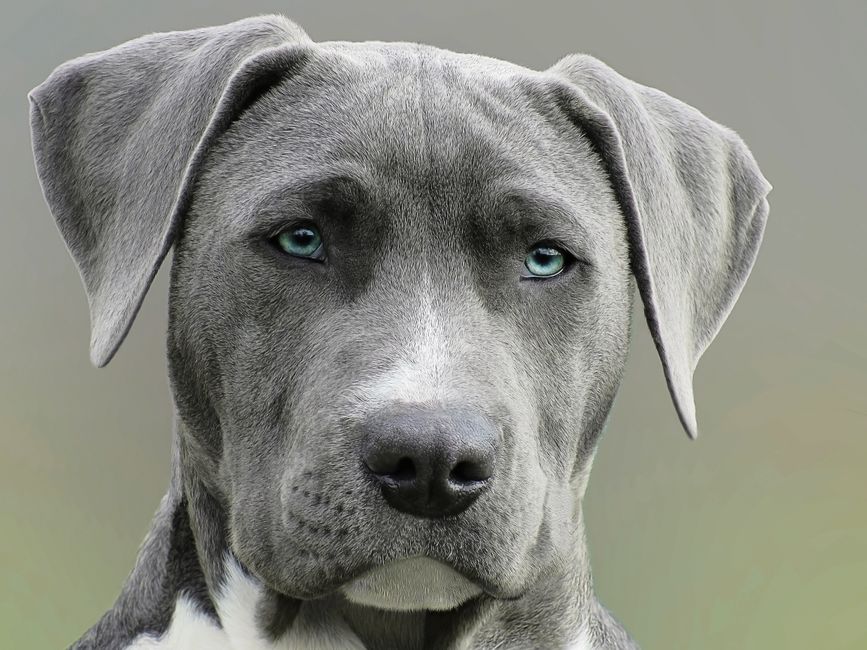
A giant dog breed is not just a big dog. There is a real gap between a Labrador and a Mastiff, and it shows up in your grocery bill, your furniture, your vehicle, and how much floor space you are willing to give up. Owners of these dogs learn fast that size changes almost every practical decision, from the width of the collar to the height of the fence latch.
This guide sticks to what the breed lists and owner experience actually support: which breeds get called giant, what the gentle giant reputation really means, and what you need to have sorted before a 100-plus pound dog moves in.
What Counts as a Giant Dog Breed
Breed size categories are not perfectly standardized. Different registries, insurers, and vet clinics draw the line in slightly different places, and a breed can land in one column on one list and another column somewhere else. What stays consistent is the general grouping.
Large breed lists tend to include everything from the Akita and Alaskan Malamute to the Doberman Pinscher, Bernese Mountain Dog, and Dogue de Bordeaux. Extra-large classifications are where the Saint Bernards and Great Danes sit. Above that, the giant label gets applied to the heaviest and tallest of the group, the dogs that routinely push past what a standard collar, standard crate, or standard car seat was designed to handle.
For practical purposes, most people mean a dog that will finish somewhere north of 100 pounds when they say giant dog breed. That threshold is useful because it lines up with where gear, medication dosing, and handling demands shift into a different category.
The Breeds People Actually Mean
Great Danes
The Great Dane is the default picture in most people's heads when the word giant comes up, and it earns the spot on height alone. Danes appear on extra-large breed lists and on gentle giant lists, which tells you something about the breed's reputation: enormous frame, usually calm household temperament. That combination is why so many first-time giant owners start here, and also why so many of them are surprised by how much space a Dane takes up while doing nothing at all.
Mastiffs and Boerboels
This is where weight takes over from height. The mastiff can grow into a very large dog, tipping the scales at up to 230 pounds, and it is generally described as kind and good-natured despite that mass. The Boerboel is listed as the largest dog breed by weight. These are not dogs you move by grabbing a collar and pulling. Handling them safely is a two-hand, planted-feet job, and it starts with training long before the dog is fully grown.
Saint Bernards and Newfoundlands
Saint Bernards and Newfoundlands round out the classic gentle giant group alongside Great Danes and Mastiffs. Both are heavy, thick-coated, and slow-moving in the house. Newfoundland owners in particular tend to describe a dog that leans rather than charges. The trade-off is real: heavy coats mean heavy grooming, and a wet Newfoundland is a genuinely different cleanup problem than a wet Labrador.
The Rest of the Field
Other breeds that turn up regularly in giant and near-giant conversations include the Irish Wolfhound, which is often named the largest dog breed in the world, the Tibetan Mastiff, the Dogue de Bordeaux, the Bernese Mountain Dog, the Akita, the Alaskan Malamute, and the Scottish Deerhound. Some are tall and lean, some are dense and broad, and the care demands differ accordingly. The Irish Wolfhound and Scottish Deerhound, for example, carry far less weight for their height than a mastiff type does.
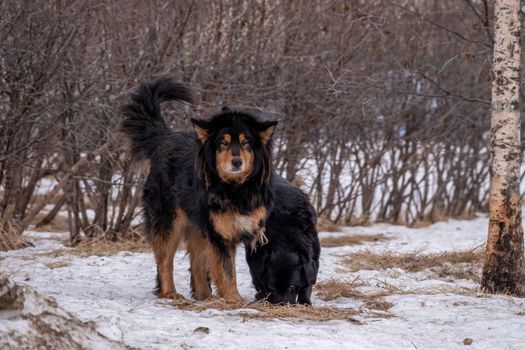
Gentle Giant Is a Reputation, Not a Guarantee
People regularly name Great Danes, Newfoundlands, Mastiffs, and Saint Bernards as gentle giants, and that reputation is usually earned. But a calm adult dog is the result of breeding, socialization, and training, not a guarantee that comes in the puppy box.
A 150-pound dog that jumps up on a visitor is a safety problem, not an enthusiasm problem. The same behavior in a 20-pound dog is annoying. That difference is the whole reason giant breed owners put more time into manners early. Loose leash walking, a reliable sit, and a solid "wait" at doorways matter more when the dog outweighs most of the people it meets.
Start training the week the puppy comes home. A giant breed puppy is small enough to manage for a few months and then suddenly is not. Every habit you allow at 15 pounds will still be there at 115.
Big Dogs Grow Fast
One thing large and giant breed resources agree on is growth rate. These dogs grow rapidly, and owners who plan for a slow, gentle puppyhood get caught out. The window where you can pick the dog up closes faster than most people expect.
That has practical consequences:
Buy gear that fits the adult dog, or plan to buy twice. A collar sized for a puppy will not last.
Discuss growth and joint health with your veterinarian, since feeding and exercise decisions during rapid growth matter for large breeds.
Set house rules on day one, because a dog that is not allowed on the couch at 20 pounds will be much harder to keep off at 120.
Introduce the crate, the car, and nail trims early, while the dog is still liftable.
Space, Food, and Everyday Costs
Nobody buys a giant breed to save money. Feed portions scale with body weight, medication doses scale with body weight, and everything from beds to boarding tends to get priced by size. Before committing, run the real numbers with your own vet and your own budget rather than relying on general figures from the internet.
Space matters as much as money. A Great Dane can occupy an entire hallway by lying down. Stairs, vehicles, and doorways all get tighter. If you rent, check breed and weight restrictions before you fall for a puppy. Insurance and housing rules vary widely by provider and location, so confirm the specifics with the company or landlord directly instead of assuming.

Gear That Holds Up
This is the part most new giant owners underestimate. Standard pet store collars are built for standard dogs. On a heavy, strong dog, thin webbing, small buckles, and light hardware are a genuine risk.
Look for three things: hardware rated for real load, webbing wide enough to spread pressure across a thick neck, and stitching that will not give out under a hard pull. At Colossal Canine Co. we build collars for neck sizes roughly 18 to 32 inches, along with leashes tested to 1000 pounds, because that is the range giant breeds actually land in. Every collar carries a lifetime guarantee covering all damage except chewing, with the buyer covering return shipping, plus a 30-day refund and return policy with exceptions for personalized items. Shipping is limited to the continental US, free at $75 and a $7.95 flat rate below that.
Measure your dog's neck before ordering anything. A loose collar can slip off a narrow-headed breed, and a tight one is uncomfortable on a thick-necked one. Both problems are avoidable with a tape measure.
Adopting a Big Dog
Giant breeds do turn up in rescue and rehoming situations, often because a family did not plan for the adult size. Adoption lists for large dogs commonly feature Greyhounds, Lurchers, German Shepherds, Labrador Retrievers, Siberian Huskies, Belgian Malinois, and crossbreeds. Some of those are large rather than giant, but they share the same handling realities.
Ask the rescue direct questions: current weight, estimated adult weight if the dog is still growing, known behavior with children and other animals, and any existing health issues. A rehomed giant dog often comes with habits already formed, and honesty from both sides makes the placement work.

Before You Bring One Home
Work through this list honestly. If several answers are shaky, wait.
Can you physically handle a dog that outweighs you?
Is your housing situation secure for the next decade, breed restrictions included?
Do you have a vet you trust and a budget that absorbs large-dog pricing?
Can you commit to training early and consistently?
Does your vehicle, furniture, and daily routine survive a 100-plus pound dog?
Giant breeds reward owners who plan. The dogs themselves are often calmer and easier company than their size suggests. The work is in the preparation, the gear, and the training, and it starts well before the puppy comes through the door.
Frequently Asked Questions
What is the largest dog breed in the world?
The Irish Wolfhound is often named the largest dog breed in the world, largely on height. By weight, the Boerboel is listed as the largest, and the mastiff can grow to tip the scales at up to 230 pounds. Tallest and heaviest are two different measurements, so the answer depends on which one you mean.
Are giant dog breeds good family dogs?
Many are. Great Danes, Newfoundlands, Mastiffs, and Saint Bernards are regularly described as gentle giants and are known for calm, loyal temperaments. That said, temperament is individual, and a dog this size needs early socialization and training so its manners match its body weight.
How fast do giant breed puppies grow?
Large and giant breeds grow rapidly, and the phase where a puppy is easy to lift passes quickly. Plan for adult-sized gear sooner than you think, and talk to your veterinarian about feeding and exercise during the growth period, since those choices carry extra weight for big breeds.
What size collar does a giant dog need?
Many giant breeds land in roughly the 18 to 32 inch neck range, but measure rather than guess. Use a soft tape around the base of the neck where the collar normally sits, leave room for two fingers, and check the measurement again as a puppy grows.