ultimate-guide · November 21, 2026
304 vs 316 Stainless Steel: Which Holds Up Better on Big Dogs
5 min read · Editorial Team
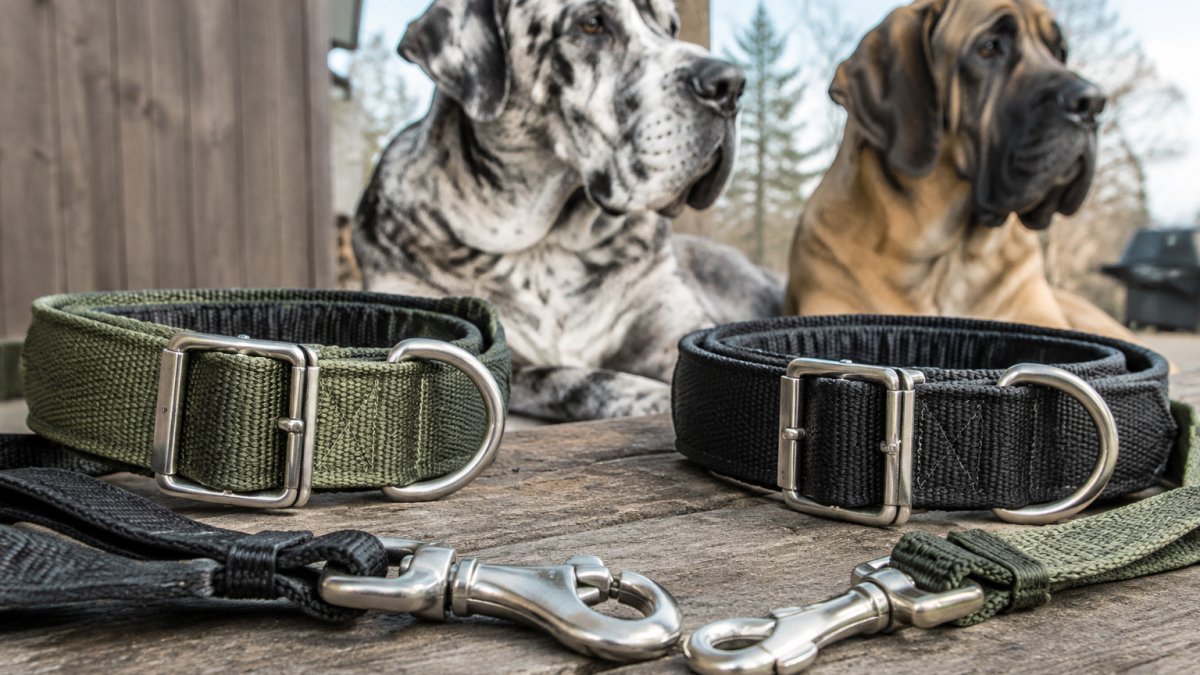
Quick Summary
For heavy duty dogs, 316 stainless steel hardware resists corrosion better than 304 because it adds molybdenum, which helps against saltwater and chloride exposure. For dry pavement walks, both grades perform well, but for mud, rain and salt, 316 is the safer choice.
- 316 adds molybdenum, improving resistance to chloride corrosion such as saltwater and pool exposure.
- For dry pavement walks, both 304 and 316 perform well.
- For mud, rain and salt exposure, choose 316 stainless hardware.
- Stainless hardware can gall when two stainless parts rub under load, which is surface seizing rather than metal failure.
- Check the rated load on any hardware instead of assuming stainless is strong enough.
Table of Contents
- 304 vs 316 Stainless Steel Hardware: What Actually Differs
- How Much Stainless Steel Hardware Strength Really Matters on a 100-Pound Dog
- Choosing a Stainless Steel Dog Collar Buckle and Heavy Duty Dog Collar Hardware for Your Giant Breed
- Frequently Asked Questions
304 vs 316 Stainless Steel Hardware: What Actually Differs
Last Updated: November 20, 2026
Stainless steel hardware is the backbone of any collar built for a giant breed, but "stainless" covers several alloys. The two grades you will see most often are 304 and 316. Choosing the right grade matters for dogs over 100 pounds.
The core difference is that 316 adds molybdenum, which improves resistance to chloride corrosion such as saltwater and pool exposure. ASM International overview of austenitic stainless steel grades describes how this alloying change affects corrosion performance. For most walks on dry pavement, both grades perform well. For mud, rain and salt, 316 is the safer choice.
Watch out: stainless hardware can still gall, especially when two stainless parts rub under load. Galling is a surface seizing problem, not a sign the metal has failed.
The two grades differ mainly in corrosion resistance, so this is how they compare.
| Grade | Key difference | Best for |
|---|---|---|
| 304 | Standard stainless steel | Dry pavement walks |
| 316 | Adds molybdenum for chloride resistance | Mud, rain and salt exposure |
| Both | Can gall when stainless parts rub under load | Surface seizing, not metal failure |
How Much Stainless Steel Hardware Strength Really Matters on a 100-Pound Dog
Watch out: stainless hardware can still gall when two stainless parts rub under load. Galling is surface seizing, not metal failure.
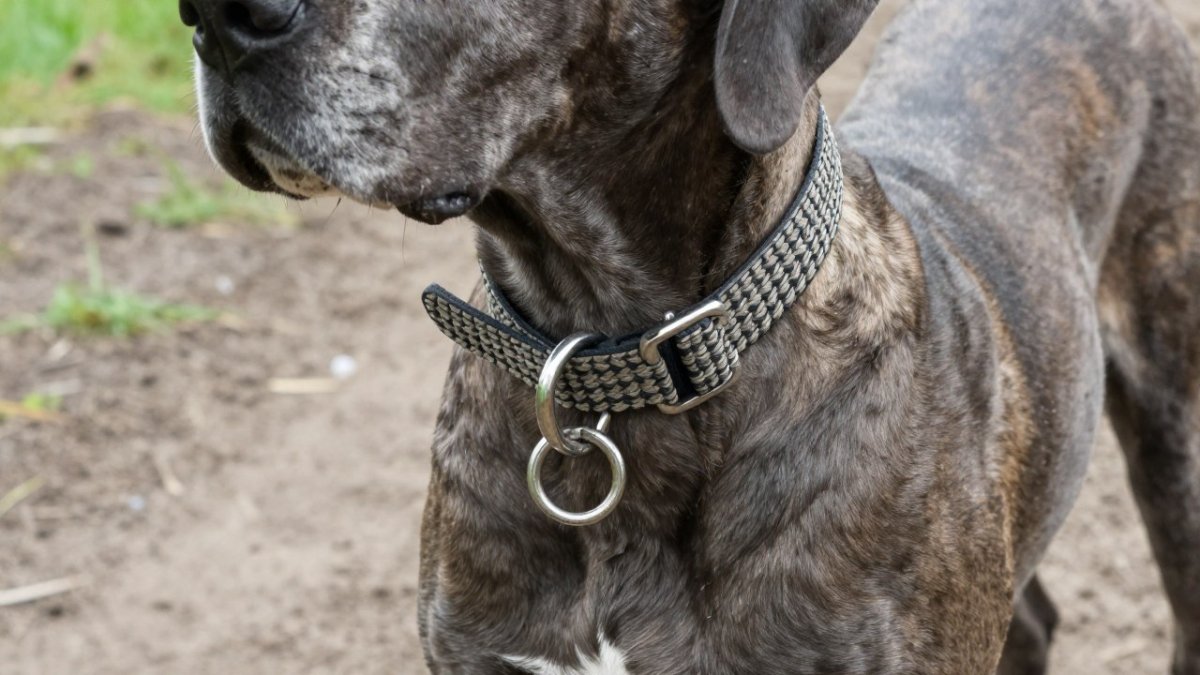
Use the grade that fits your environment, and check the rated load on any hardware you buy rather than assuming stainless is automatically strong enough. Before deciding, you can weigh up whether military-grade dog collars are worth the money.
Choosing a Stainless Steel Dog Collar Buckle and Heavy Duty Dog Collar Hardware for Your Giant Breed
Match the grade to your environment, and check the rated load on any hardware rather than assuming stainless is strong enough. You can also look at a safety buckle collar and matching leash bundle that pairs the hardware with a leash.
Our pick for giant breeds is the Colossal Canine Co. collar line, built with solid stainless hardware and military-grade webbing. You can also see a team-color collar with military-grade webbing in two-tone combinations. Pricing depends on size and options, so check the current price on our website.
Frequently Asked Questions
Is 304 or 316 stainless steel stronger?
Neither grade is dramatically stronger than the other in typical dog collar use. Both are austenitic stainless steels with similar tensile strength, so the difference that matters for a collar is corrosion resistance. 316 contains molybdenum, which helps it resist salt, sweat, mud, and pool chlorine better than 304. For a giant dog that swims, plays in surf, or lives outdoors in wet weather, 316 is the safer choice for buckles and rings. Check the grade stamped or listed on the hardware before you buy.
Is 304 stainless as strong as grade 5?
No. Grade 5 is a heat-treated carbon steel bolt rated for high tensile strength, while 304 is a stainless steel grade that is strong but not heat-treated to the same level. Stainless fasteners are chosen for corrosion resistance and reliable performance, not peak strength. For collar hardware, what matters is that the buckle, D-ring, and tacks are solid stainless steel with proper load-bearing attachment, rather than a thin plated part that can bend or corrode under a lunging 120-pound dog.
How do you choose stainless steel hardware for a large dog collar?
Start with the grade: 316 stainless steel for dogs that swim, walk in salt or wet conditions, or wear gear for long periods. Next, confirm the hardware is solid stainless rather than plated. Look for a buckle and D-ring that are thick, not stamped sheet metal, and for Chicago style tacks, check that the stitching is reinforced at the stress points. Measure your dog's neck, and make sure the adjustment range leaves room to grow if you have a giant breed puppy.
