how-to · November 17, 2026
How Long Should a Dog Collar Last?
6 min read · Editorial Team
Last Updated: November 16, 2026
Quick Summary
A dog collar generally lasts 1 to 2 years with daily use. Nylon wears faster in sun and water, leather lasts years with care, and military-grade webbing suits giant breeds over 100 pounds. Replace any dog collar at the first sign of fraying, cracks, or failing hardware.
- Replace a dog collar when you spot frayed webbing, cracked leather, loose stitching, or a bent buckle.
- Nylon webbing lasts 9 to 18 months with daily use and 6 to 12 months in wet conditions.
- Leather lasts 2 to 4 years with daily use and several years with light use.
- Run a monthly safety check and spend most of your time inspecting the hardware.
- Take the collar off at night and check fit weekly for puppies and growing giant breeds.
Table of Contents
- How Long Should a Dog Collar Last?
- Signs a Dog Collar Needs Replacing
- Dog Collar Lifespan by Material
- How to Check Dog Collar Safety
- Should a Dog Sleep With Its Collar On?
- What to Do With a Collar That's Still Usable
- Frequently Asked Questions
How Long Should a Dog Collar Last?
A dog collar generally lasts 1 to 2 years with daily use. Nylon wears faster in sun and water, leather lasts years with care, and Biothane outlasts both in wet, muddy work. Giant breeds over 100 pounds put a lot of strain on a collar, so a failing collar is a real safety problem.
There is no expiry date on a collar. Lifespan depends on use, material, and how hard your dog pulls.
Signs a Dog Collar Needs Replacing
Replace a dog collar the moment you spot frayed webbing, cracked leather, loose stitching, a bent buckle, or a D-ring pulling away from the fabric. Give the hardware a hard tug before every walk with a strong dog. For the deeper breakdown, see our guide to the strongest dog collars for Cane Corsos.
Dog Collar Lifespan by Material
Material decides most of the lifespan. Here's how the common collar materials compare:
| Material | Light Use | Daily Use | Wet or Abrasive Use | Best For |
|---|---|---|---|---|
| Nylon webbing | 12-24 months | 9-18 months | 6-12 months | Budget everyday wear |
| Leather | Several years | 2-4 years | 1-2 years | Comfort, classic look |
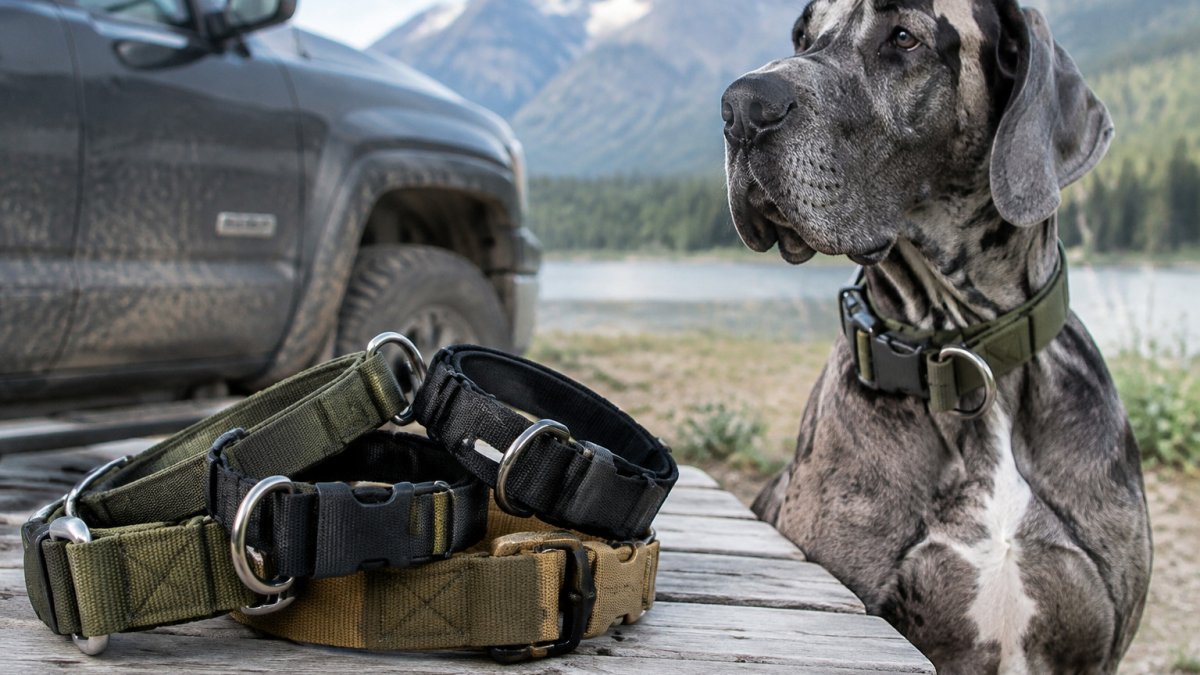
| Military-grade webbing | Several years | 2-3 years | 2-3 years | Giant breeds, heavy pullers |
Nylon breaks down under UV light, leather molds to the neck but water and grit chew through it, and Biothane shrugs off moisture. For dogs over 100 pounds, military-grade webbing with stainless steel hardware is a sound choice, because the weak link is often the buckle or stitching. Read our buyer's guide to collars for Cane Corsos and our English Mastiff collar guide.
How to Check Dog Collar Safety
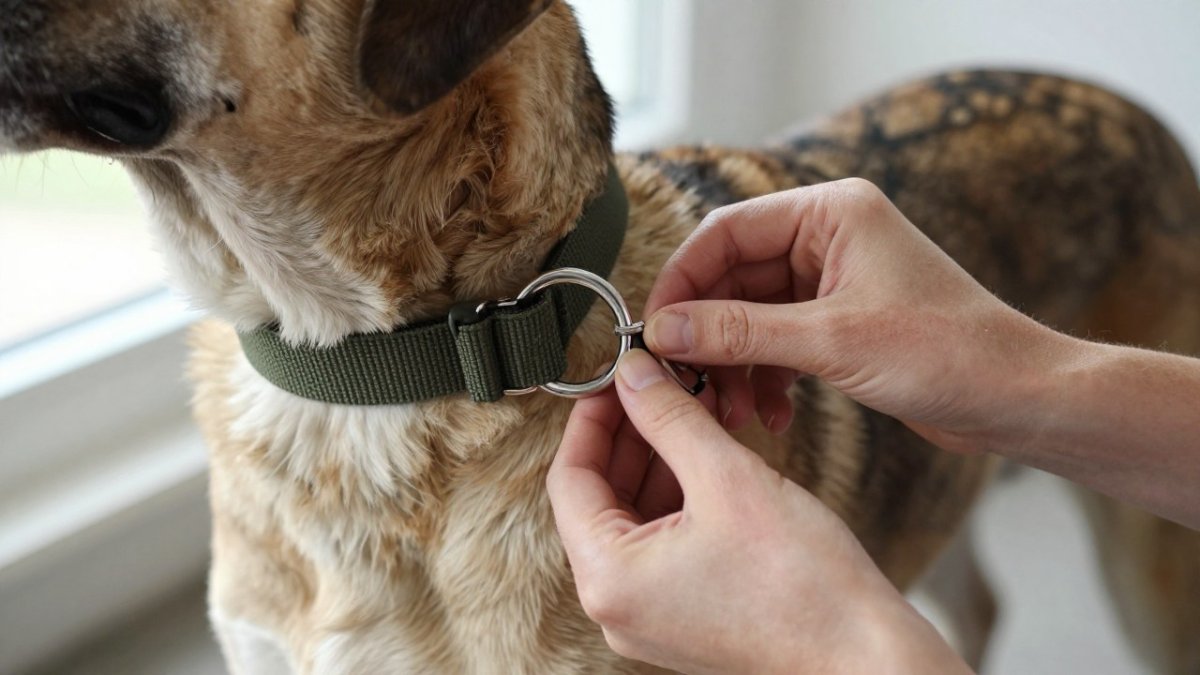
Run a short safety check once a month: bend the webbing or leather in half for cracks, tug the seams, open and close the buckle for a firm click, twist the D-ring for wobble, check rivets for rust, slide two fingers under the collar for fit, and confirm tags are readable and secure. A common mistake is only checking the strap, the hardware fails first on strong dogs, so spend most of your time there. The PLOS ONE study on training devices and welfare and Frontiers in Veterinary Science research on collar training both highlight how much the fit and equipment affect a dog's comfort and safety, which is why a proper fit check matters as much as material choice.
Should a Dog Sleep With Its Collar On?
Take the collar off at night to rest neck skin and prevent tags catching on bedding or crate bars. Keep a backup ID plan like a microchip and a tag on a house harness. For puppies and growing giant breeds, check the fit weekly.
What to Do With a Collar That's Still Usable
Don't toss a sound collar your dog outgrew. Clean it, inspect it, and pass it to a rescue or friend. Retire any collar with cracked leather or rusted hardware. Our Colossal Breed Puppy Collar adjusts as your dog fills out, and our guide to gear for giant breeds covers what else to plan for.
A collar that fails on a 150-pound dog is a safety event, not a shopping trip. We build heavy-duty collars and leashes for giant breeds using military-grade webbing and solid stainless steel hardware, handmade to order and backed by a lifetime guarantee. Every collar is engineered for dogs over 100 pounds, with adjustable sizing for growing puppies and reliable performance in mud and water. Get started with Colossal Canine Co. and gear that holds up to your gentle giant.
Frequently Asked Questions
How often should you replace a dog's collar?
There is no single fixed schedule. Lifespan generally runs about 12 to 24 months for light, occasional use, 9 to 18 months for daily walks in moderate conditions, and 6 to 12 months for daily use in wet or abrasive environments. A well-built collar can last several years, so inspect it monthly and replace it the moment stitching, webbing or hardware shows real damage, regardless of age.
Do different dog collar materials last longer than others?
They do. A well-made leather collar can function for several years with proper care. Nylon and polyester webbing resist moisture better but fray at cut edges. Waterproof materials like biothane suit wet, muddy conditions. For a dog over 100 pounds, hardware strength matters as much as the material itself.
Should a dog sleep with its collar on?
Removing the collar overnight is the safer default, especially for a giant breed. A collar can catch on crate bars or bedding, and tags can press into the neck during long rest. If your dog needs identification on at all times, use a lightweight secondary tag collar for sleep and keep the heavy-duty walking collar for daytime use. Check fit again in the morning before clipping on a leash.
